
Yo tengo un ego muy grande…

TESTIMONIALS

Read more quotes...

Roberto absolutely met my expectations--very lucky to have him as a tutor
CHAD SALITAN

Santiago's personable teaching style in a stress- free atmosphere makes it fun to learn Spanish.
ELKE TUCKER

Eduardo is an excellent, gifted teacher...I will certainly recommend your program to my friends!
GWYNNETH ANDERSON

The lessons were always enjoyable and comfortable. I feel that I advanced very well with Santiago's teaching.
JERRY MENDENHALL

Santiago is patient and professional, but above all, a fantastic teacher.
SIVAN TAMIR

Read the full text of the testimonials

Find us on facebook

“Yo tengo un ego muy grande” (I have a big ego)
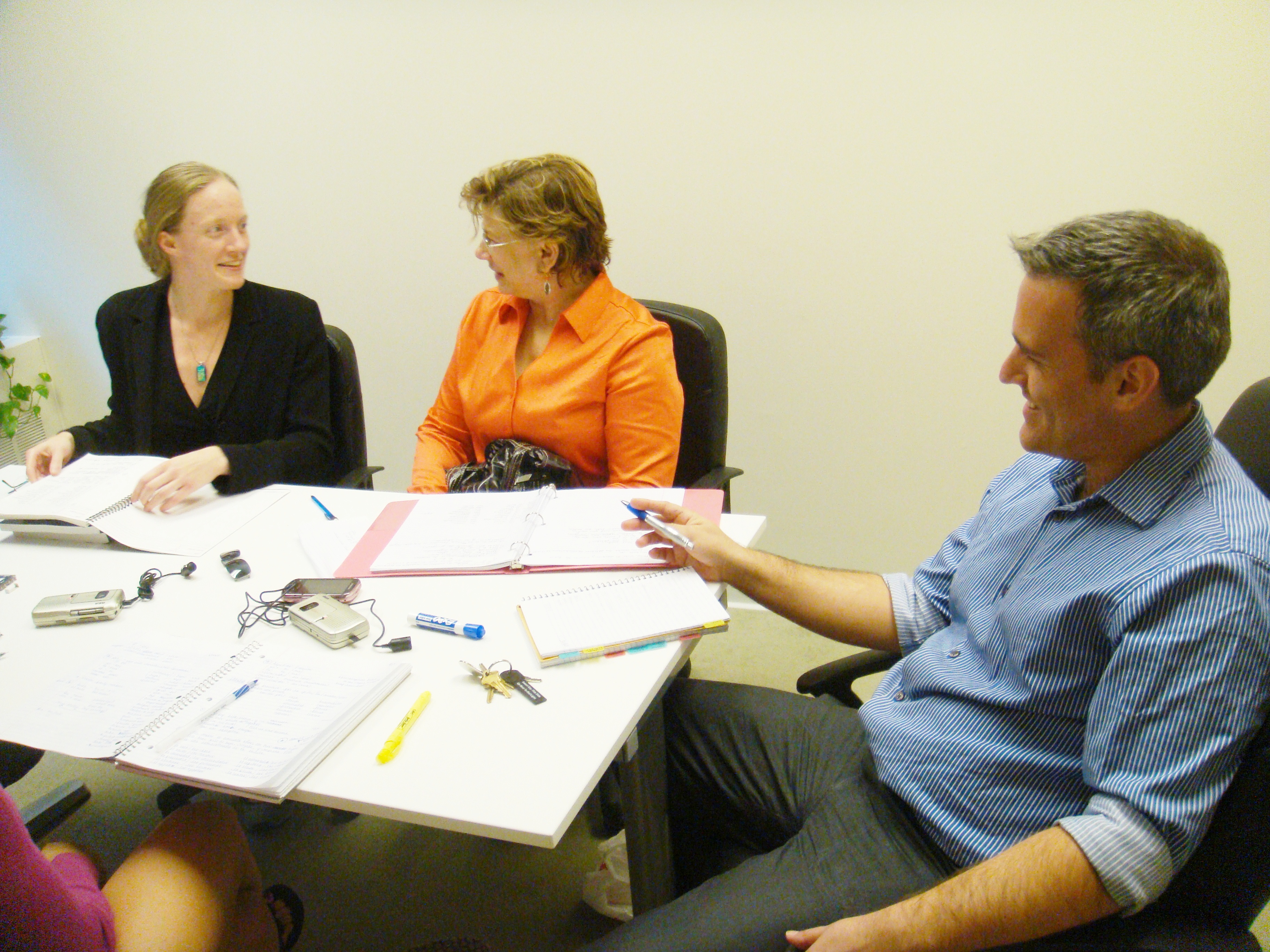
In English it sounds perfectly natural to say: “I wake up at 8:00 am. I eat breakfast at home, and then I drive 30 minutes. I arrive in my office at 9:00am.” Literally translated in Spanish would be: “Yo me levanto a las ocho. Yo desayuno en casa y luego yo manejo treinta minutos. Yo llego al trabajo a las nueve.”

If you say it this way in Spanish, your friends may cringe and make fun of you and say something in reference to what a big ego you seem to have. You see, expressing yourself in this literal translation, it comes across more as if you are a self-centered person who thinks only of himself than of actually simply describing your morning routine. The reason is that we Spanish speakers very rarely use subject pronouns in front of verbs (yo, tú, él, ella, etc.). They are not necessary since the ending of the conjugated verb already indicates the person who is completing the action, (i.e.: hablo can only mean “yo”, hablas can only mean “tú”, etc.). A similar problem arises when you refer to others constantly by “ella, ella, ella”, or “nosotros, nosotros, nosotros”.

The correct way to express the above example would simply be: “me levanto a las ocho, desayuno en casa y luego manejo treinta minutos. Llego a mi oficina a las nueve.”. You could start with one “yo”, as in “yo me levanto”, but you would be wise to say it no more than that.

With that said, there are exceptions, of course. If you need to emphasize, sometimes the use of the subject pronoun is helpful: “yo no cocino mal; yo soy un buen chef.”. This also helps to distinguish parallel structures: “yo voy a Boston y tú a California”.

Check back here every Friday to find new articles. You will have a chance to apply your Spanish language skills by sending us your own sample sentences each week.

Write a comment


Some of our convenient locations...
Metro Center • Farragut North • Dupont Circle • Adams Morgan • Van Ness‑UDC • Tenleytown‑AU • Friendship Heights • Bethesda • Gallery Place‑Chinatown • Grosvenor • Rockville • Rosslyn • Silver Spring

Click here to apply for enrollment

Why learn with Spanish Tutor DC?

Great native tutors

All hold Bachelor's degrees or higher, and are rigorously selected. Our training makes them even better.

Great program

You and your tutor speak only in Spanish. Effective and fun!

Great locations

Many locations for private lessons in the Washington DC area. Convenient location at our offices in downtown DC for open enrollment classes.

No lost classes

For open enrollment students, we arrange make-up classes for time missed due to illness or travel.

Nine skill levels

Beginner to upper advanced-bilingual.

Eight-week courses

Keeps classes dynamic and allows you flexibility to decide your own pace.

Reasonable rates

Competitive prices, discounts, and loyalty rewards.

100% Money-back guarantee

Full refund if for any reason you decide to leave your course after the first class.

Highly satisfied students

Read their testimonials in the left column!


Click here to apply for enrollment